Every year, millions of Muslims from around the world prepare for their sacred pilgrimage. With Umrah 2025 and Hajj 2026 approaching, the anticipation is even greater. These years hold special significance as Saudi Arabia continues to enhance facilities, introduce digital services, and improve overall pilgrim experiences. Whether it is your first journey to the holy cities of Makkah and Madinah or a return after many years, planning ahead is essential. From visa guidelines and health measures to choosing the right package and exploring ziyarat sites, this guide covers everything you need to know for a smooth and spiritually fulfilling journey.
Why 2025–26 Is a Special Time for Pilgrims
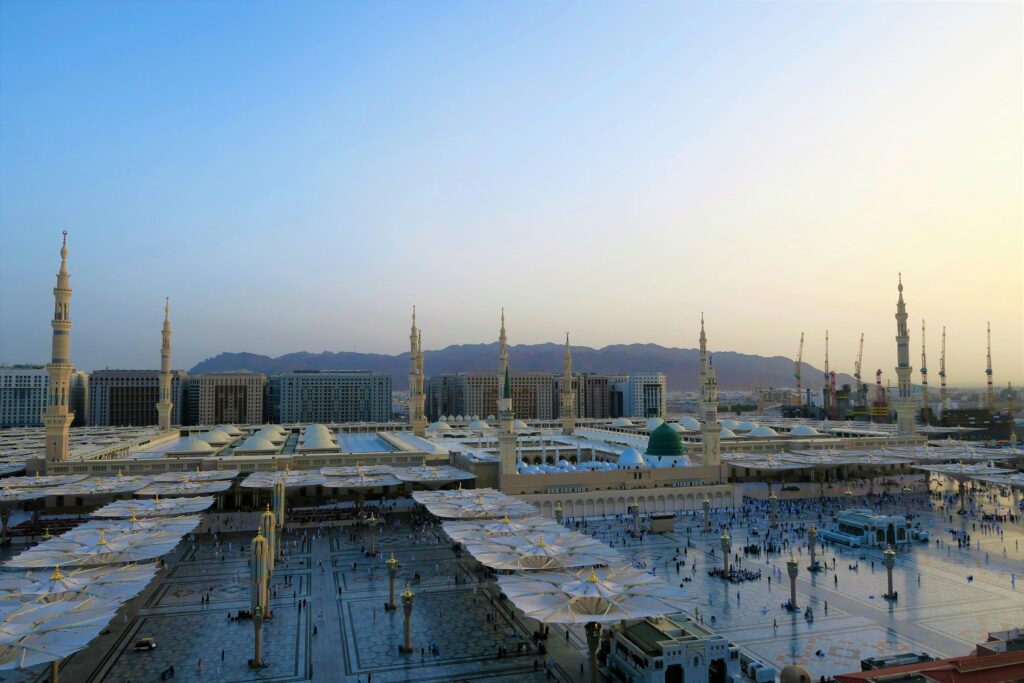
The years 2025 and 2026 are unique because Saudi Arabia has invested heavily in modern infrastructure for pilgrims. Smart apps, upgraded transport systems, and improved visa processing are making it easier than ever to perform Hajj and Umrah. In addition, 2026 will host Hajj with expanded quotas, giving more Muslims worldwide the chance to participate. These updates are part of Vision 2030, where Saudi Arabia aims to welcome more pilgrims while ensuring comfort, safety, and spiritual focus.
What’s New in Umrah for 2025
Umrah 2025 introduces new systems that make the experience seamless. From booking flights to accommodation and transportation, everything can now be handled through official platforms like the Nusuk app. Pilgrims can also enjoy expanded facilities near the Haram, making access to prayer easier. Another key highlight is the simplified e-visa system, which reduces wait times and allows more countries to participate in the sacred journey.
Documents, Visa & Travel Guidelines
To perform Umrah in 2025, you need a valid passport, visa, and return ticket. Saudi Arabia has launched electronic visas that can be processed quickly online. Ensure your passport is valid for at least six months. Health certificates may also be required depending on your country of origin.
- Always apply through official channels like Nusuk to avoid fraud.
- Double-check airline and hotel bookings for authenticity.
Health & Safety Measures
Health remains a top priority in 2025. Vaccinations, including meningitis and flu shots, are mandatory for many travelers. The Saudi Ministry of Health has introduced real-time health tracking through digital apps to keep pilgrims safe.
- Carry essential medicines and keep prescriptions handy.
- Follow hygiene and safety rules, especially in crowded areas.
Planning for Hajj 2026
Hajj 2026 promises to be one of the largest gatherings in history. Saudi Arabia has increased quotas for several countries, allowing more Muslims to fulfill their lifetime dream. Early planning is essential, as packages sell out quickly. The introduction of smart crowd management and AI-powered monitoring systems will ensure safety and smoother rituals for all pilgrims.
Registration Process & Quota
Registration for Hajj is done through official portals like hajj.nusuk.sa. Countries receive a fixed quota, so booking early is critical. Applicants must provide valid IDs, passports, and health records.
- Always apply through your country’s official Hajj board.
- Confirm your registration with the Saudi Ministry to avoid scams.
Things to Know Before You Go
Before traveling, familiarize yourself with Hajj rituals, Saudi laws, and cultural practices. Pilgrims should prepare physically and spiritually for the demanding journey.
- Learn the sequence of Hajj rites, such as Tawaf, Sa’i, and Arafat.
- Pack Ihram early and practice how to wear it correctly.
Choosing the Right Package
Selecting a package can make or break your experience. Options range from budget-friendly to premium luxury packages. Always compare inclusions like flights, hotels, meals, and transport. Reading reviews from past pilgrims can help you make the right choice.
Budget vs Premium Packages
Budget packages are affordable but may include shared rooms and longer walking distances. Premium packages provide comfort with hotels close to Haram and private transport.
- Choose based on your budget and health needs.
- Check if meals and transport are included.
How to Avoid Scams
Sadly, fraudulent agents still exploit pilgrims. To stay safe, only book through licensed travel agencies or the official Nusuk platform.
- Avoid paying in full before confirmation.
- Verify the agency’s registration and reviews.
Essential Packing & Travel Tips
Packing smartly ensures peace of mind. From Ihram to daily essentials, carry items that make your journey easier. Keep documents in a secure pouch, and avoid overpacking as it may cause difficulties during movement.
Must-Have Items
A pilgrim’s bag should include Ihram, prayer mats, slippers, and a waist pouch. Always carry a refillable water bottle and snacks for long waits.
- Keep your documents and money safe in a belt bag.
- Carry a light backpack for day trips.
Health & Weather Tips
The Saudi climate can be extreme, especially during summer. Staying hydrated and protecting yourself from the sun is crucial.
- Carry sunscreen, sunglasses, and an umbrella.
- Drink Zamzam water regularly to stay refreshed.
Ziyarat in Madinah & Makkah After Umrah
Pilgrims often extend their journey to visit historic sites in Makkah and Madinah. These visits enrich the spiritual journey and provide a deeper connection to Islamic history.
Best Time & Spots
In Madinah, Masjid an-Nabawi is the prime ziyarat spot, while Quba Mosque and Uhud Mountain are also significant. In Makkah, sites like Jabal al-Noor and Mina are must-visits.
- Visit early in the morning to avoid crowds.
- Respect prayer timings and local guidelines.
Respectful Conduct & Etiquettes
Pilgrims must dress modestly and avoid disturbing others during ziyarat. Always show respect to the sanctity of the places.
- Avoid loud conversations in sacred areas.
- Do not push or rush near holy sites.
Women Pilgrims’ Guide & Safety Advice
Saudi Arabia has introduced reforms to make Hajj and Umrah safer for women. Women can now travel without a Mahram under specific conditions. Still, safety and cultural awareness are essential.
Travel in Groups & Connectivity
Women are advised to travel in groups for safety and support. Staying connected through local SIM cards helps during busy rituals.
- Share your itinerary with family.
- Keep emergency contacts saved.
Dress & Local Practices
Women should wear modest clothing in line with Islamic and local customs. Understanding Saudi laws prevents unnecessary trouble.
- Choose breathable fabrics for comfort.
- Respect dress codes in public and sacred sites.
Best Apps & Digital Tools for Pilgrims
Technology now plays a vital role in pilgrimage. Apps help with navigation, dua reminders, and even translation services for non-Arabic speakers. For latest updates about Hajj and Umrah, you can visit the website
Navigation & Dua Apps
Applications like Nusuk and Google Maps are essential for route guidance. Dua apps provide step-by-step supplications for each ritual.
- Download apps before arrival to avoid delays.
- Keep a power bank for long usage.
Translation & Local Services
Translation apps help overcome language barriers, while local service apps guide you to restaurants, pharmacies, and hotels.
- Use offline translation modes when internet is weak.
- Bookmark emergency contacts in the app.
FAQs
1. What is the difference between Hajj and Umrah?
Hajj is a once-in-a-lifetime obligation with fixed dates in Dhul Hijjah, while Umrah can be performed any time of the year.
2. When will Hajj take place in 2026?
Hajj 2026 is expected in June (Dhul Hijjah), but the exact dates depend on moon sighting.
3. Can women perform Hajj without a Mahram in 2026?
Yes, Saudi Arabia allows women above 18 to perform Hajj without a Mahram if they travel in groups.
4. How do I apply for Umrah 2025?
Apply through the official Nusuk portal or licensed travel agencies for authentic services.
5. What vaccinations are required?
Meningitis, flu, and in some cases COVID-19 vaccines are mandatory.
6. How do I choose the right Hajj package?
Compare budget vs premium packages, check reviews, and confirm through licensed agencies.
7. What are the must-have items for Hajj and Umrah?
Ihram, slippers, prayer mats, waist pouch, water bottles, and sunscreen are essentials.
8. Can I visit Madinah after Umrah?
Yes, most pilgrims extend their trip for ziyarat at Masjid an-Nabawi and other historic sites.
9. Is Zamzam water available to take home?
Yes, pilgrims can take a limited quantity of Zamzam water, usually one 5-liter bottle.
10. What apps should I download before traveling?
Nusuk, Google Maps, and dua apps are highly recommended for navigation and rituals.
Conclusion
Hajj 2026 and Umrah 2025 offer Muslims a remarkable opportunity to fulfill their spiritual journey with greater ease than ever before. With Saudi Arabia’s focus on digital tools, enhanced infrastructure, and improved safety measures, pilgrims can now plan their trips with confidence. From choosing the right package and preparing documents to exploring ziyarat in Makkah and Madinah, every step requires preparation and awareness. By staying informed and connected, pilgrims can ensure a safe, comfortable, and deeply spiritual experience. May your journey to the Kaaba and Madinah bring blessings, peace, and unforgettable memories.
For more blogs and insights, check out our Home Page