In today’s health-conscious world, plant-based and vegan diets are gaining massive popularity as sustainable, nutritious choices for people worldwide. Whether you’re exploring a plant-based diet for better health or adopting a vegan lifestyle for ethical reasons, understanding the nuances can transform your eating habits. These diets emphasize whole foods like fruits, vegetables, legumes, nuts, and grains while minimizing or eliminating animal products. Backed by science, they offer benefits like reduced heart disease risk, weight management, and environmental sustainability. As modern trends highlight flexitarian approaches and nutrient-rich innovations, this guide breaks down the differences, health advantages, and practical tips to help you thrive on a plant-forward eating pattern. Discover how these diets align with global wellness goals and make informed choices for your body and planet.
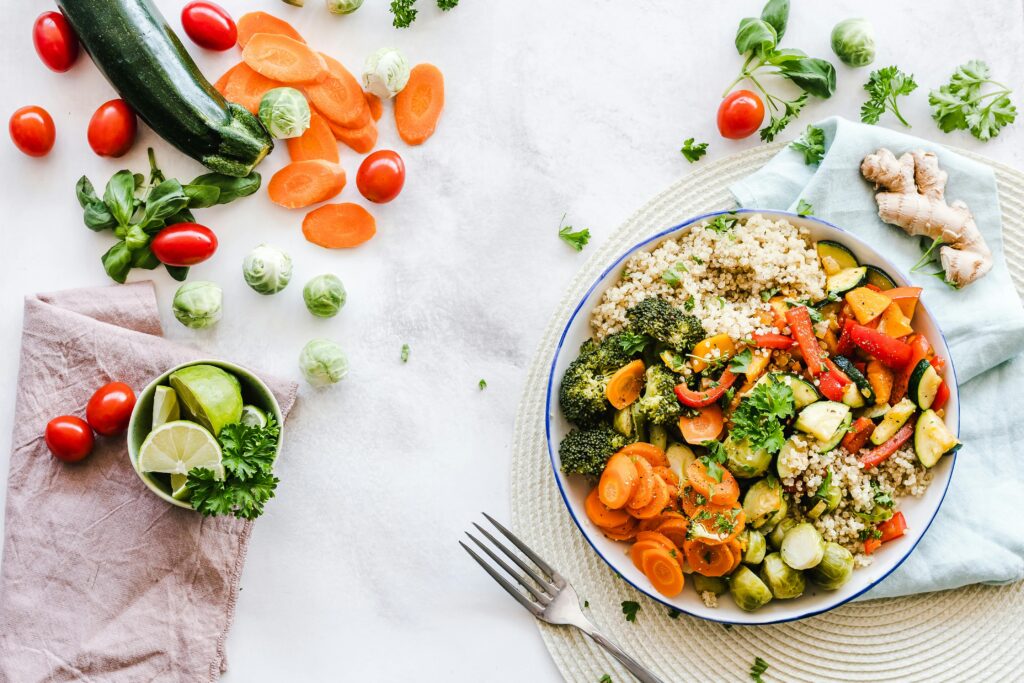
What Is a Plant-Based Diet?
A plant-based diet centers on whole, minimally processed foods derived primarily from plants, making it a flexible health-focused approach suitable for beginners and long-term adherents alike. Unlike stricter regimens, it allows small amounts of animal products like dairy or eggs if they fit individual preferences, prioritizing nutrient density over absolute elimination. Rich in antioxidants, fiber, and unsaturated fats from sources such as legumes, nuts, seeds, fruits, and vegetables, this diet supports cellular health and reduces inflammation. Research from nutrition experts confirms that appropriately planned plant-based diets are nutritionally adequate across all life stages, including pregnancy and athletics, while being more environmentally sustainable than animal-heavy patterns. The spectrum nature encourages gradual transitions, enhancing adherence and social flexibility in diverse global settings.
Core Principles of Plant-Based Eating
Plant-based eating revolves around maximizing whole foods while limiting refined items, oils, and sugars to optimize health outcomes like improved cholesterol and body weight. This approach appeals to a broad audience seeking sustainability without rigid rules, often overlapping with Mediterranean-style patterns that include modest animal inclusions. Studies show participants enjoy higher fiber intake and lower saturated fats, leading to healthier profiles compared to omnivores.
- Focus on variety: Include legumes, whole grains, and colorful produce daily for balanced nutrition.
- Embrace flexibility: Occasional animal products allow easier maintenance in social or travel scenarios.
Health Advantages Backed by Science
Science supports plant-based diets for cardiovascular protection, diabetes prevention, and better kidney function through antioxidant-rich foods and reduced saturated fats. Research demonstrates they promote lower cancer risks and enhanced gut microbiome diversity, making them ideal for modern wellness goals.
- Reduced chronic disease risk: Lower inflammation markers promote long-term vitality.
- Weight management ease: High-fiber content naturally curbs overeating without calorie counting.
Understanding the Vegan Diet Fully
A vegan diet represents a comprehensive ethical and lifestyle commitment, completely excluding all animal products including meat, dairy, eggs, and even honey, driven by animal rights, environmental concerns, and health motivations. This strict vegan lifestyle emphasizes plant-sourced alternatives, often including processed options like vegan cheeses, while prioritizing sustainability—generating significantly less CO2 than omnivorous diets per research. Vegans typically consume more fiber and fewer total fats, yielding benefits like significant type 2 diabetes reduction and improved cognitive health from unsaturated fats and antioxidants. However, it demands vigilant planning for nutrients like B12, with nutrition experts endorsing it as healthful when fortified foods or supplements are used. Its global appeal grows with innovative plant alternatives becoming increasingly accessible and delicious.
Ethical and Philosophical Foundations
The vegan diet stems from a philosophy of compassion, rejecting animal exploitation entirely, which extends beyond food to clothing and products. This movement attracts those prioritizing ethics alongside health, with environmental perks like reduced land use and lower resource consumption appealing to conscious consumers worldwide.
- Animal welfare focus: Eliminates demand for factory farming cruelty.
- Broader lifestyle integration: Influences choices in fashion and beauty for consistency.
Nutritional Considerations and Supplements
Vegans must address potential gaps in B12, iron, and omega-3s through fortified foods or supplements, as plant sources alone may fall short according to nutritional research. Despite this, benefits like superior digestive health and lower inflammation persist with diverse intake and proper planning.
- B12 fortification essential: Prevents deficiency common in plant-only eaters.
- Diverse sourcing: Nuts, seeds, and algae oils cover other needs effectively.
Plant-Based vs Vegan: Key Differences Explained
Distinguishing plant-based vs vegan diet clarifies choices: plant-based offers health and sustainability flexibility with optional minimal animal products, while vegan is an all-encompassing ethical exclusion. Plant-based limits processed foods for whole-food emphasis, aiding easier adherence, whereas vegan may include alternatives but requires stricter vigilance. Both slash environmental footprints, but plant-based’s spectrum suits transitional eaters globally and appeals to those seeking gradual lifestyle changes.
Flexibility and Long-Term Adherence
Plant-based diets excel in sustainability due to gradual adoption and social ease, outperforming rigid approaches for many individuals. This makes them ideal for modern trends where flexibility meets health goals worldwide.
- Easier social dining: Allows dairy or eggs occasionally.
- Higher retention rates: Spectrum approach boosts lifelong success.
Environmental Impact Comparison
Both reduce resource use dramatically—vegan edges with total elimination—but plant-based broadly cuts damage via fewer natural resource demands. Choosing either significantly benefits the planet compared to conventional eating patterns.
- Lower emissions: Substantial CO2 reduction versus omnivore diets.
- Land and water savings: Efficiency gains support planetary health.
Health Benefits of Plant-Based and Vegan Diets
Plant-based and vegan diets deliver profound health perks, from heart protection to cancer risk reduction, via high antioxidants, fiber, and low saturated fats. Research consistently shows adherents experience improved health markers and better disease prevention compared to standard Western diets, with vegans often demonstrating the most dramatic improvements when properly planned.
Cardiovascular and Diabetes Prevention
These diets lower saturated fats and boost fiber, slashing cardiovascular risks and type 2 diabetes by promoting healthy weights and cholesterol levels. The combination of plant nutrients works synergistically to protect your heart and metabolic health.
- Heart health boost: Reduced plaque buildup from plant nutrients.
- Blood sugar stability: Legumes and grains prevent spikes.
Cancer Risk Reduction and Longevity
Antioxidants and anti-inflammatory effects correlate with lower cancer risks and enhanced longevity in adherents. Plant compounds fight cellular damage at the molecular level, supporting your body’s natural defenses.
- Cellular protection: Polyphenols fight oxidative stress.
- Gut diversity: Fiber fosters microbiome linked to disease resistance.
Getting Started with Plant-Based or Vegan Eating
Transitioning to plant-based or vegan diets starts with simple swaps like legume-based meals over meat, building habits with diverse recipes. Stock staples like beans, grains, and nuts for success in any global kitchen, aligning with accessible modern trends that make plant eating convenient and enjoyable.
Beginner Meal Ideas and Recipes
Ease in with smoothies, stir-fries, and salads using affordable plants; meal planning apps aid in ensuring nutrient balance and variety throughout your week.
- Breakfast staple: Oatmeal with fruits and nuts.
- Dinner winner: Lentil curry with veggies.
Overcoming Common Challenges
Address cravings and dining out by prepping alternatives and educating yourself on B12 needs for smooth adoption. Social situations become easier with knowledge and preparation strategies.
- Social strategy: Potluck plant dishes.
- Nutrient hacks: Fortified milks daily.
FAQs
1. What is the main difference between plant-based and vegan diets?
Plant-based focuses on health with flexible animal inclusions, while vegan strictly eliminates all animal products for ethical reasons.
2. Are plant-based diets suitable for weight loss?
Yes, their high fiber and low calorie density naturally support sustainable weight management without restrictive counting.
3. Do vegans need supplements?
Often yes, especially B12, to prevent deficiencies common in plant-only eating patterns.
4. Can children follow a vegan diet?
Yes, when well-planned with professional guidance and attention to key nutrients for growing bodies.
5. How do these diets impact the environment?
Both reduce CO2, water, and land use significantly compared to omnivorous patterns, contributing to planetary health.
6. Is a plant-based diet the same as vegetarian?
No, vegetarian allows dairy and eggs; plant-based prioritizes whole plants with optional minimal animal foods.
7. What are common nutrient concerns?
B12, iron, and omega-3s require attention through fortified foods or supplements for optimal health.
8. Can athletes thrive on vegan diets?
Absolutely, with proper protein from legumes and grains fueling performance and recovery effectively.
9. Are processed vegan foods healthy?
Choose whole-food options; processed ones should be occasional for best health benefits.
10. How to start a plant-based diet gradually?
Begin with Meatless Mondays, swapping one meal daily toward whole plants for sustainable change.
Final Words
Embracing plant-based or vegan diets empowers you with vibrant health, ethical alignment, and planetary stewardship for a thriving future. These approaches, flexible or strict, deliver proven wins: slimmer risks of heart disease, diabetes, and cancers while fostering glowing skin, sustained energy, and lighter environmental impact. Start small—swap one meal, explore global recipes like Indian dal or Mediterranean salads—and witness transformations in how you feel and perform. Consult healthcare professionals for personalization, especially with supplements like B12 ensuring completeness and optimal nutrition. As trends evolve with innovative plant foods becoming tastier and more accessible, join millions thriving worldwide on these compassionate diets. Your plate shapes your future; choose plants for longevity, compassion, and a thriving Earth. Commit today for lasting vitality and positive change.
To read more informative articles like this, explore our other blogs on healthy living