In today’s fast-paced digital world, social media has transformed the way we interact, learn, and express ourselves. Platforms like Instagram, TikTok, Facebook, and Twitter are not just communication tools—they shape opinions, build communities, and even influence global politics. While the benefits of social media are undeniable, there is growing concern about its impact on mental health. Studies highlight a link between excessive social media usage and issues such as anxiety, depression, low self-esteem, and sleep disorders. At the same time, these platforms also provide access to support networks, mental health awareness campaigns, and educational resources. This duality makes the relationship between social media and mental health both complex and fascinating.
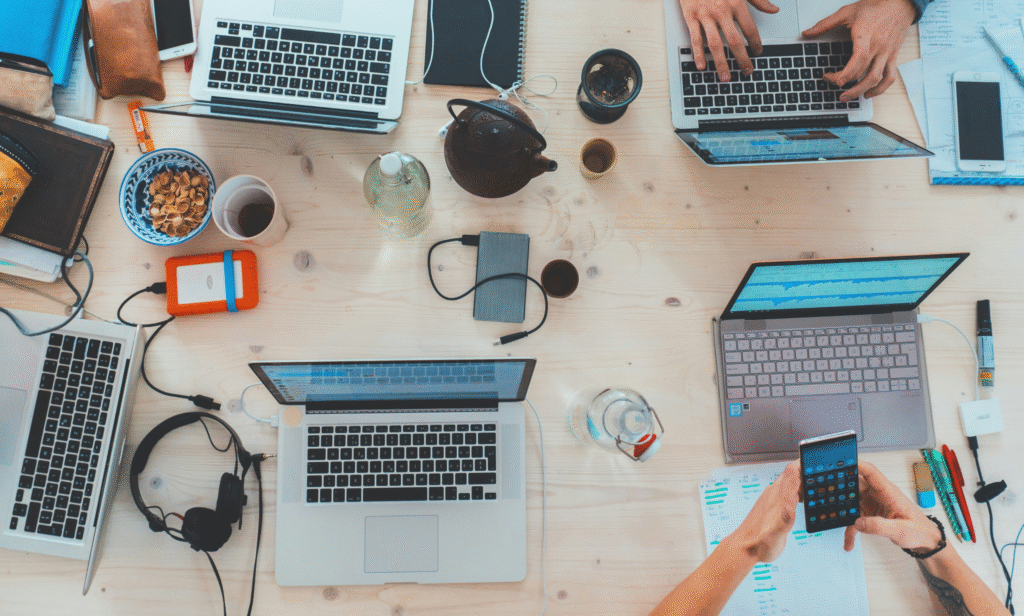
Social media has become an inseparable part of our daily lives, shaping how we connect, learn, and share. But its impact on mental health is now one of the most discussed global issues. From anxiety, depression, and comparison culture to positive uses such as awareness campaigns and support communities, social media’s role is complex. This blog explores how platforms like Instagram, TikTok, and Facebook influence our mental well-being, particularly among students and young professionals. Learn the signs of social media addiction, discover practical digital detox strategies, and understand how parents, schools, and organizations can promote safe usage. With millions of users in Pakistan and around the world, the conversation about mental health in the digital era is more important than ever. Explore the balance between the benefits and drawbacks of online life, along with practical tips to protect your emotional health. Dive into the latest research, expert advice, and actionable solutions to maintain a healthy relationship with social media.
The Positive Side of Social Media
Despite concerns, social media has several benefits when used responsibly. It allows people to stay connected with friends and family across distances, strengthening emotional bonds. It has also become a strong tool for awareness campaigns. For example, global initiatives like World Mental Health Day trend online every year, spreading important messages to millions of people. Another advantage is the presence of online support groups where individuals can find solace, share experiences, and receive encouragement in times of distress. Many students and professionals also benefit from the educational value of social platforms, as they provide easy access to motivational talks, informative articles, and skill-based learning resources. According to a report by the World Health Organization, digital platforms played a vital role in spreading awareness about mental well-being during the COVID-19 pandemic, when physical interaction was limited.
The Dark Side: How Social Media Affects Mental Health
The darker side of social media often outweighs the positives when boundaries are not set. Research shows a strong link between excessive social media use and mental health struggles. Endless scrolling creates a cycle of comparison, which leads to feelings of inadequacy and sadness, increasing risks of anxiety and depression.
On platforms like Instagram and TikTok, people often compare their lives to carefully curated images of others. This “highlight reel” effect makes users feel like their own lives are not good enough, resulting in low self-esteem and dissatisfaction. Another rising concern is cyberbullying and online harassment, which can cause deep emotional damage and trauma for both teenagers and adults.
Sleep disturbances are also linked to social media. Using phones late at night disrupts natural sleep cycles, as the blue light from screens delays melatonin production and makes it harder to rest. Finally, the fear of missing out (FOMO) caused by constant notifications and updates often leads to stress, making it difficult to disconnect from these platforms.
Research & Statistics
Several studies prove the impact of social media on mental health. A 2024 study by the American Psychological Association revealed that teenagers spending over three hours daily on social media were at a 60 percent higher risk of developing mental health issues. In Pakistan, surveys show that young adults spend an average of four to five hours daily on apps like TikTok, Instagram, and YouTube, often at the expense of sleep and productivity. According to the Pew Research Center, more than half of social media users admitted that online platforms made them feel overwhelmed or anxious. These statistics highlight the urgent need to address the psychological impact of online activity.
Signs You May Need a Break from Social Media
There are several signs that indicate when a person needs a break from social media. Constant mood swings triggered by posts or comments, decreased productivity at school or work due to scrolling, and restlessness when unable to check notifications are all red flags. Many people spend hours online but still end up feeling lonely and disconnected. Ignoring face-to-face interactions in favor of online chats is another strong indicator that someone may require a digital detox.
Tips for Using Social Media in a Healthy Way
Maintaining balance is key when it comes to social media usage. Setting screen-time limits with built-in apps can help restrict excessive scrolling. Following positive and motivational content instead of toxic pages ensures a healthier experience. Digital detox practices, such as taking weekends off from social media, allow people to reconnect with offline life. Practicing mindfulness through meditation and journaling reduces anxiety caused by online pressure. Finally, engaging in real-life hobbies such as reading, painting, or sports can shift focus away from screens and restore a sense of balance.
The Role of Parents and Schools
Young people are most vulnerable to the negative impacts of social media, which is why parents and educators must play an active role. Parents should encourage open discussions with their children about online safety and mental health. Schools, on the other hand, can arrange workshops on digital literacy and safe online practices. Healthy communication is essential, as parents should monitor their children’s usage without resorting to spying. By creating awareness both at home and in schools, future generations can learn how to use social media responsibly.
For more lifestyle insights, you can also read our blog on Why Entertainment Is Important in Our Lives. Similarly, if you are interested in starting your online journey, explore How to Start a General Blogging Site in 2025.
For further information, global resources like the World Health Organization, American Psychological Association, and Pew Research Center provide credible insights.
Final Thought
Social media is neither entirely good nor entirely bad—it depends on how we use it. While it offers opportunities to learn, connect, and inspire, overuse can lead to serious mental health challenges. The solution lies in finding balance, setting boundaries, and prioritizing offline relationships alongside online engagement. With awareness and conscious choices, we can make social media a tool for growth instead of stress.
FAQs
Q1: Is social media harmful for students?
Yes, excessive use can harm students by reducing focus on studies, disrupting sleep, and increasing anxiety. However, when used for educational purposes, it can be beneficial.
Q2: Can social media improve mental health?
Yes, if used positively—such as joining support groups, following motivational pages, or spreading awareness—social media can improve mental health by creating a sense of community.
Q3: How much screen time is considered healthy?
Experts suggest limiting recreational social media use to one to two hours daily. Beyond this, the risks of mental health problems increase.
Q4: What is digital detox, and why is it important?
A digital detox means taking intentional breaks from screens to reduce stress, improve sleep, and restore focus on offline activities. It is essential for long-term mental health.
Q5: What role do parents play in controlling social media use?
Parents should educate their children about safe online habits, set reasonable boundaries, and maintain open communication to guide responsible usage.