What Does It Mean to Clean the Environment?
To clean the environment means taking actions that reduce pollution, protect natural resources, and maintain healthy ecosystems. It involves keeping public spaces free from litter, managing waste properly, conserving water, and reducing harmful emissions. Environmental cleanliness is not only about appearance but also about preserving the health of people, animals, and plants.
As global concerns about climate change and pollution increase, individuals are becoming more aware of their responsibility toward environmental protection. Understanding this concept is the first step toward creating a greener and more sustainable world for future generations.
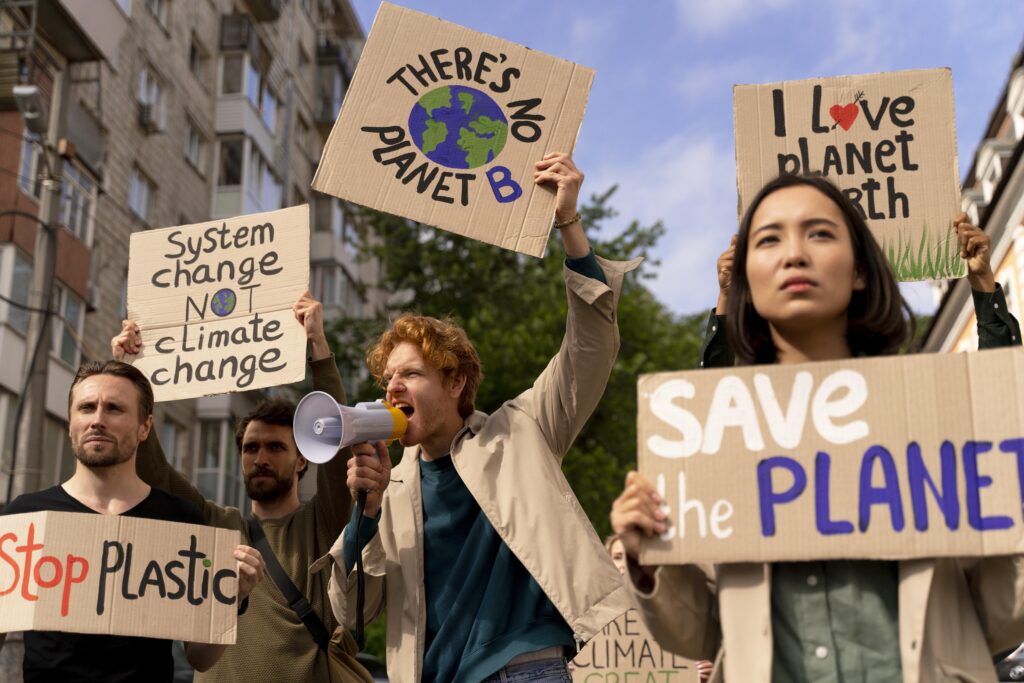
Understanding Environmental Cleanliness and Sustainability
Environmental cleanliness focuses on reducing waste and pollution, while sustainability ensures resources are used responsibly for future generations. Both concepts work together to protect the planet and maintain ecological balance.
- Promote responsible resource consumption.
- Protect ecosystems and biodiversity.
Why Environmental Awareness Is Important
Environmental awareness helps people understand the impact of their actions on nature. When individuals become informed about environmental issues, they are more likely to adopt eco-friendly habits and support conservation efforts.
- Encourages positive environmental behavior.
- Helps reduce human impact on nature.
Why a Clean Environment Matters
A clean environment directly affects human health, economic development, and overall quality of life. Polluted air can cause respiratory diseases, contaminated water can spread illnesses, and excessive waste can harm wildlife. Furthermore, environmental degradation contributes to climate change, which affects weather patterns and food production worldwide.
By maintaining clean surroundings, communities can enjoy healthier lifestyles, improved public health, and stronger local economies. Therefore, protecting the environment is not just an ecological responsibility but also a social and economic necessity.
Health Benefits of a Cleaner Environment
Clean air, water, and surroundings reduce the risk of many diseases. People living in cleaner environments often experience better physical and mental health.
- Lowers exposure to harmful pollutants.
- Improves overall well-being and quality of life.
Economic Advantages of Environmental Protection
Environmental protection supports industries such as tourism, agriculture, and renewable energy. Cleaner communities often attract investment and economic opportunities.
- Creates green jobs and innovation.
- Reduces healthcare and cleanup costs.
Clean the Environment Through Waste Management
Proper waste management is one of the most effective ways to clean the environment. Improper disposal of garbage contributes significantly to pollution and environmental damage. Recycling, composting, and reducing waste generation help minimize landfill usage and conserve natural resources.
Governments, businesses, and individuals all play important roles in managing waste responsibly. The concept of a circular economy is becoming increasingly popular because it focuses on reusing materials and reducing unnecessary waste.
How Recycling Helps Protect the Planet
Recycling converts used materials into new products, reducing the need for raw resources. It also saves energy and decreases pollution associated with manufacturing.
- Conserves natural resources.
- Reduces landfill waste and emissions.
Practical Waste Reduction Tips for Beginners
Simple habits can significantly reduce household waste. Small daily actions often create long-term environmental benefits.
- Use reusable bags and containers.
- Avoid single-use plastic products.
Reducing Pollution in Daily Life
Pollution is one of the biggest environmental challenges worldwide. Fortunately, individuals can help reduce pollution through conscious lifestyle choices. Simple actions such as using public transportation, conserving energy, and minimizing plastic use contribute to cleaner air and water.
Every person has the power to reduce their environmental footprint through consistent and responsible behavior.
How Transportation Choices Affect the Environment
Transportation is a major source of greenhouse gas emissions. Choosing sustainable travel options can significantly reduce pollution.
- Walk, cycle, or use public transport.
- Share rides whenever possible.
Energy Conservation for Environmental Protection
Using energy efficiently reduces carbon emissions and conserves natural resources. Modern energy-saving practices benefit both the environment and household budgets.
- Turn off unused electronics.
- Use energy-efficient appliances and lighting.
Sustainable Living and Green Habits
Sustainable living involves making choices that minimize environmental impact while maintaining a good quality of life. This approach includes conserving resources, reducing waste, and supporting eco-friendly products.
As environmental awareness grows in 2025, more people are embracing environmentally responsible lifestyles. Adopting green habits can help individuals contribute positively to environmental conservation while enjoying long-term benefits.
Eco-Friendly Habits You Can Start Today
Small lifestyle changes can create meaningful environmental improvements over time.
- Carry reusable water bottles.
- Support environmentally responsible brands.
Sustainable Consumption and Responsible Purchasing
Consumers influence environmental outcomes through purchasing decisions. Choosing sustainable products encourages responsible production practices.
- Buy durable and reusable products.
- Avoid unnecessary purchases.
The Role of Students in Environmental Protection
Students are future leaders and innovators. Their involvement in environmental protection can inspire positive change within schools and communities. Educational institutions increasingly promote environmental programs that encourage recycling, conservation, and sustainability awareness.
Students who develop eco-friendly habits early often continue these practices throughout their lives.
Environmental Activities for Students
Schools provide excellent opportunities for environmental engagement.
- Organize school cleanup campaigns.
- Start recycling and composting initiatives.
Building Environmental Awareness Through Education
Education empowers students with knowledge about environmental challenges and solutions.
- Learn about climate change and conservation.
- Share environmental knowledge with others.
Technology and Environmental Sustainability
Technology plays an important role in solving environmental challenges. Innovations such as renewable energy, smart waste management, and sustainable agriculture help reduce environmental impact.
Advances in green technology continue to support global sustainability goals while encouraging efficient resource management.
Renewable Energy and a Cleaner Future
Renewable energy sources reduce dependence on fossil fuels and lower greenhouse gas emissions.
- Generate clean and sustainable power.
- Support climate change mitigation efforts.
Smart Technologies for Environmental Conservation
Modern technologies improve resource efficiency and environmental monitoring.
- Use smart energy management systems.
- Monitor pollution levels effectively.
Community Efforts for a Cleaner Planet
Communities have the power to create meaningful environmental change through collective action. Local cleanup events, awareness campaigns, and conservation projects encourage participation and responsibility.
When individuals work together toward common environmental goals, the impact becomes significantly greater.
Organizing Successful Community Cleanups
Community cleanup programs improve public spaces and raise environmental awareness.
- Set clear goals and responsibilities.
- Encourage volunteer involvement.
How Local Actions Create Global Impact
Environmental improvements often begin at the local level.
- Inspire neighboring communities.
- Support long-term environmental progress.
Frequently Asked Questions
1. Why is it important to clean the environment?
A clean environment protects health, wildlife, and natural resources.
2. What are the easiest ways to clean the environment?
Recycling, reducing waste, conserving energy, and avoiding littering.
3. How can students help protect the environment?
Students can join cleanup campaigns, recycle, and spread awareness.
4. What causes environmental pollution?
Industrial activities, vehicle emissions, and improper waste disposal.
5. How does recycling benefit the environment?
It reduces waste, conserves resources, and lowers pollution.
6. What is sustainable living?
Making environmentally responsible choices in daily life.
7. How can technology help the environment?
Through renewable energy and efficient resource management.
8. What are eco-friendly habits?
Using reusable products, conserving water, and reducing plastic use.
9. How does pollution affect human health?
It can cause respiratory diseases and other health problems.
10. Can one person make a difference in cleaning the environment?
Yes. Small actions by many people create a large positive impact.
Final Words
Cleaning the environment is one of the most important responsibilities we share as global citizens. Throughout this guide, we explored how proper waste management, pollution reduction, sustainable living, environmental education, and community action can create meaningful change.
Even small efforts, such as recycling, conserving energy, and choosing eco-friendly products, can have a lasting impact when practiced consistently. The journey to clean the environment does not require perfection; it requires commitment and awareness.
Start by making one positive environmental change today and gradually build more green habits into your daily routine. Together, we can protect natural resources, support future generations, and create a cleaner planet for everyone.
Want to learn more about how recycling can help students contribute to environmental protection? Read our detailed guide on Benefits of Recycling for Students.