Introduction
What if you could own less and yet live better — all while your home practically runs itself? That’s not a dream anymore. It’s what smart home minimalist living looks like in 2026. Millions of people around the world are waking up to a powerful truth: the more stuff you own, the more your stuff owns you. Clutter drains your energy, your time, and your mental peace. But combine the minimalist lifestyle with the latest smart home technology, and something remarkable happens — you create a space that feels calm, functions intelligently, and gives you back the most precious resource of all: your time. In this complete guide, you’ll discover exactly how to bring these two powerful ideas together, step by step, no matter where you’re starting from.
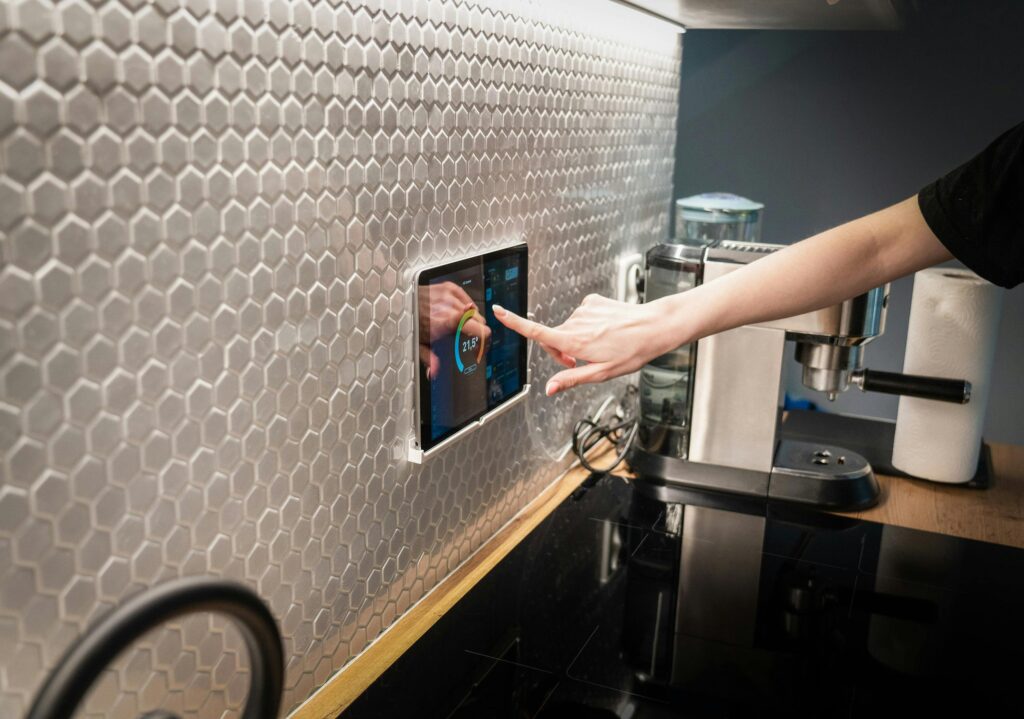
Table of Contents
- What Is Smart Home Minimalist Living?
- Why Minimalism and Smart Technology Are the Perfect Match
- How to Start Your Minimalist Smart Home Journey
- The Best Smart Home Devices for a Minimalist Space
- Decluttering With Technology: Work Smarter, Not Harder
- Minimalist Smart Home Design: Aesthetics That Function
- Energy Efficiency and Sustainable Living
- Common Mistakes to Avoid
- Frequently Asked Questions (FAQs)
- Final Words
What Is Smart Home Minimalist Living?
Smart home minimalist living is the intentional combination of two modern philosophies: minimalism — the art of owning only what adds value to your life — and home automation — the use of technology to manage your environment effortlessly. At its core, this lifestyle is about designing a home that has fewer physical items but greater intelligent functionality. Instead of filling your space with gadgets, decorations, and unnecessary furniture, you choose a handful of purposeful smart devices that genuinely improve your daily experience. The result is a living space that feels clean, open, and peaceful, while quietly working in the background to manage lighting, temperature, security, and more — automatically and efficiently. It is less about sacrifice and more about intention.
The Philosophy Behind Minimalism in Modern Homes
Minimalism in the home does not mean living with nothing. It means surrounding yourself only with what serves a purpose or brings genuine joy. The modern minimalist movement, popularized by thinkers like Marie Kondo and Joshua Becker, has gained enormous traction globally because people are tired of consumerism’s toll. Studies consistently show that cluttered environments raise cortisol (the stress hormone) levels and reduce cognitive performance. When you apply minimalism to your home design, you create mental clarity through physical order — and that clarity is the foundation on which a truly smart, well-functioning home is built.
- A decluttered home reduces daily decision fatigue, allowing your brain to focus on what truly matters.
- Minimalist spaces are easier to automate because there are fewer variables, objects, and systems to manage.
How Smart Technology Enhances a Minimalist Lifestyle
Smart technology enhances minimalism by replacing multiple physical objects with a single, intelligent system. Think about it: a smart speaker can replace your alarm clock, your radio, your kitchen timer, and your home assistant simultaneously. A smart thermostat eliminates manual temperature controllers, sticky notes reminding you to adjust the heat, and guesswork about energy bills. By choosing smart devices strategically, you actually own fewer things while gaining more capability — a perfect alignment with the minimalist value of doing more with less. This is why 2026 has seen a surge in people combining these two approaches into one cohesive lifestyle.
- One well-chosen smart hub can consolidate the functions of a dozen separate single-purpose devices.
- Voice-activated and app-controlled systems reduce the need for physical switches, remotes, and panels on your walls.
Why Minimalism and Smart Technology Are the Perfect Match
At first glance, minimalism and technology might seem like opposites — one removes things, the other adds them. However, when you dig deeper, you discover that these two ideas are naturally aligned. Both are driven by the same goal: eliminating friction from your daily life. Minimalism removes physical friction — the piles of clutter, the lost items, the overwhelming choices. Smart technology removes operational friction — the repetitive tasks, the manual adjustments, the forgotten routines. Together, they create an environment where your home anticipates your needs without demanding your constant attention. This synergy is precisely why interior designers, lifestyle coaches, and tech experts in 2026 are recommending the combined approach over adopting either philosophy in isolation. “Enjoyed this blog? There’s a lot more waiting for you! Head over to our homepage and discover more blogs on topics that matter to you.”
Reducing Physical Clutter With Digital Solutions
One of the most powerful ways smart technology supports minimalism is by digitizing what once required physical objects. Your book collection can live on an e-reader. Your recipe cards can be replaced by a kitchen display with voice search. Your paper bills, manuals, warranties, and documents can all be stored securely in the cloud and accessed in seconds. This digital shift is not just convenient — it is genuinely life-changing for the minimalist home. You reclaim shelf space, drawer space, and mental space simultaneously. The key is being intentional: replace physical items with digital equivalents only when it truly simplifies your life.
- Cloud-based document storage eliminates the need for filing cabinets, folders, and paper-heavy home offices.
- Digital media subscriptions (music, books, movies) replace hundreds of physical items while occupying zero physical space.
Mindful Consumption and Intentional Technology Choices
Not all technology serves the minimalist vision. The minimalist smart home requires mindful consumption — choosing each device with the same care you’d give to any physical purchase. Before buying a smart gadget, ask yourself: does this replace something I already have? Does it genuinely reduce effort or add joy? Will I use it daily? If the answer to these questions is no, the device is likely to become just another form of clutter — just with a charging cable attached. The most effective smart homes in 2026 are built on a small set of high-quality, interoperable devices rather than a growing collection of disconnected apps and gadgets.
- Apply the minimalist ‘one in, one out’ rule to technology: when you add a new smart device, retire an old one.
- Prioritize devices that use open standards like Matter or Zigbee, so they work together without requiring multiple separate apps.
How to Start Your Minimalist Smart Home Journey
Starting a minimalist smart home does not require a complete renovation or a large budget. The most effective approach is a phased, room-by-room transformation that begins with decluttering and then thoughtfully layers in smart technology. The first step is always the same: take a clear-eyed inventory of what you own and why. For each item, ask whether it earns its place in your home. Once you have physically simplified your space, you will find it much easier to identify where smart technology can make a meaningful difference. Many people make the mistake of adding gadgets to a cluttered home and then wonder why life still feels overwhelming. Simplify first; automate second.
The Declutter-First Approach: Clear Before You Automate
Before installing a single smart device, commit to a meaningful decluttering session. Go room by room and remove anything that you have not used in the past six months, that does not serve a clear purpose, or that simply does not bring you happiness. Donate, sell, or recycle — but get it out of your space. This step is not just aesthetic; it is foundational. A cluttered home with smart lights is still a cluttered home. However, a clean, simplified space with intelligent lighting feels genuinely transformative. Think of decluttering as preparing the canvas before painting your masterpiece — the smart technology is the art, but the clean canvas makes it possible.
- The KonMari method of keeping only items that ‘spark joy’ is particularly compatible with the minimalist smart home philosophy.
- Research shows that people who declutter before introducing automation report significantly higher satisfaction with their smart home investments.
Choosing Your First Smart Home Devices as a Beginner
If you are new to smart home technology, start with three essential categories: smart lighting, a smart speaker or display, and a smart thermostat. These three additions cover your most frequent daily interactions with your home — light, communication, and comfort — and deliver immediate, noticeable improvements to your quality of life. Smart lighting alone can transform the atmosphere of a minimalist room, shifting from bright productivity lighting in the morning to warm, calming tones in the evening, all on a schedule you set once and then forget. From this foundation, you can expand gradually and intentionally based on your actual needs.
- Start with a single smart lighting ecosystem (Philips Hue, LIFX, or similar) before mixing brands to avoid compatibility headaches.
- A smart thermostat like the Google Nest or Ecobee pays for itself within months through energy savings — a true minimalist investment.
The Best Smart Home Devices for a Minimalist Space
Choosing the right smart devices is critical to the minimalist smart home vision. The goal is not to own the most technology — it is to own the right technology. In 2026, the market is overflowing with options, but a minimalist home thrives on restraint. Focus on devices that are sleek in design (fitting the aesthetic of a clean space), powerful in function (doing multiple jobs), and seamlessly integrated (working together without friction). The best minimalist smart home setups feel invisible — you barely notice the technology because it simply works, quietly and reliably, in the background of your beautifully simple life.
Smart Lighting: The Easiest Minimalist Upgrade
Smart lighting is universally regarded as the single best entry point into the minimalist smart home ecosystem. The reason is simple: light defines space. In a minimalist home where furniture and decor are intentionally sparse, lighting becomes the primary tool for creating atmosphere, warmth, and functionality. Smart bulbs and light strips allow you to program scenes — a bright, cool white for focused work; a warm amber glow for evening relaxation; a gentle sunrise simulation for waking up naturally. All of this replaces multiple physical lamps, dimmers, and switches, while consuming less energy through LED efficiency and intelligent occupancy detection.
- Smart motion sensors can turn lights off automatically in empty rooms, saving energy without any conscious effort on your part.
- Color-tunable smart bulbs replace the need for multiple lamps with different bulb types, reducing both clutter and electrical complexity.
Smart Security Systems That Don’t Crowd Your Space
Security is a top priority for any home, and thankfully modern smart security systems are designed with minimalist aesthetics in mind. Compact, stylish cameras, slim video doorbells, and discreet smart locks blend into a clean home without the bulk of traditional security hardware. Beyond aesthetics, smart security systems offer a level of convenience that directly supports the minimalist lifestyle — you can monitor your home, grant access to guests, and receive intelligent alerts, all from your smartphone, anywhere in the world. This eliminates keys, keycodes, alarm panels, and physical paperwork associated with traditional security contracts.
- Smart locks with fingerprint or app-based entry eliminate the need to carry, hide, or duplicate physical keys.
- AI-powered security cameras can distinguish between a person, a pet, and a passing car, dramatically reducing false alerts.
Decluttering With Technology: Work Smarter, Not Harder
Technology is not just a replacement for physical objects — it is also a powerful tool for the decluttering process itself. In 2026, a range of apps, platforms, and AI-powered tools can help you catalog what you own, decide what to keep, and facilitate the sale or donation of items you’re letting go. Apps like Decluttr, Poshmark, and Facebook Marketplace make it easier than ever to turn your unwanted belongings into cash or community goodwill. Meanwhile, home inventory apps allow you to digitally catalog your remaining possessions, so you always know exactly what you have and where it is — eliminating the need to buy duplicates of things you already own but can’t find.
Using Apps and AI Tools to Manage Your Possessions
The latest generation of AI-powered home management apps can do remarkable things. Some allow you to photograph a room and receive instant suggestions for what to remove to achieve a cleaner, more organized aesthetic. Others use machine learning to track your shopping and consumption patterns, gently flagging when you’re accumulating items faster than you’re releasing them. These tools bring mindful awareness to consumption — the digital equivalent of having a personal organizer in your pocket. The key is choosing one or two of these tools rather than downloading every organizing app available, which would ironically create digital clutter mirroring the physical clutter you’re trying to eliminate.
- AI home inventory tools like Encircle or Sortly can photograph, catalog, and track every item in your home in under an hour.
- Subscription-box management apps help you audit recurring purchases and cancel anything that no longer aligns with your minimalist goals.
Digital Organization Strategies for a Clutter-Free Mind
Physical minimalism and digital minimalism go hand in hand. A clean home paired with a chaotic, notification-filled phone creates a friction that undermines your peace. True minimalist living extends to your digital environment: organizing your phone’s home screen to show only the tools you use daily, disabling non-essential notifications, unsubscribing from email lists that no longer serve you, and maintaining a digital filing system that mirrors the order of your physical space. When your digital environment is as intentional as your physical one, you experience a qualitative shift in focus and well-being that is difficult to describe but impossible to ignore once you’ve felt it.
- The ’20-20-20 rule’ for digital decluttering: spend 20 minutes every 20 days clearing 20 items from your digital environment.
- Email inbox zero, achieved through smart filters and unsubscribe tools, is one of the highest-impact digital minimalism habits you can build.
Minimalist Smart Home Design: Aesthetics That Function
Design is the soul of the minimalist smart home. Every decision — from the color of your walls to the placement of a single smart speaker — matters. The aesthetic principle guiding this space is “form follows function”: everything that is visible should be beautiful, and everything that is beautiful should serve a purpose. In practice, this means choosing smart devices that have been thoughtfully designed to complement a clean interior, hiding cables and hubs wherever possible, and selecting a neutral, cohesive color palette that allows the architecture and light of the room to take center stage. The technology should feel like a natural extension of the space, not an intrusion into it.
Furniture Choices That Work With Smart Home Technology
Minimalist furniture pairs beautifully with smart home systems. Clean-lined sofas, multifunctional tables, and wall-mounted storage keep floors clear and sightlines open, while built-in USB ports, wireless charging pads, and hidden cable management systems ensure that your smart devices integrate seamlessly without creating a mess of wires. Look for furniture with integrated technology features — such as smart beds that adjust firmness automatically or coffee tables with built-in wireless charging. In 2026, furniture designers are increasingly building smart functionality directly into minimalist-friendly pieces, eliminating the need to choose between aesthetic purity and technological convenience.
- Wall-mounted smart displays and TVs eliminate the need for entertainment units, freeing up significant floor space in living rooms.
- Furniture with hidden cable management systems keeps your smart devices charged and connected without breaking the clean visual lines of a minimalist space.
Color Palettes and Lighting Design for Minimalist Interiors
Color is one of the most powerful tools in the minimalist designer’s toolkit. Neutral palettes — whites, soft grays, warm beiges, and natural wood tones — create a sense of space, calm, and timelessness that forms the ideal backdrop for smart living. These colors also reflect light beautifully, which means your smart lighting systems have more to work with, creating dramatic shifts in atmosphere without requiring additional decor. Accent colors, used sparingly on a single wall or in cushions and throws, provide visual interest without visual noise. When combined with programmable smart lighting that shifts color temperature throughout the day, even the most modest room can feel like a high-end designed space.
- Warm white walls (2700K–3000K equivalent color temperature) complement most smart lighting color scenes and feel universally welcoming.
- Using the same smart lighting ecosystem throughout an open-plan space creates visual cohesion and allows you to control the entire area as one environment.
Energy Efficiency and Sustainable Living
One of the most compelling and often overlooked benefits of the minimalist smart home is its positive environmental impact. Minimalism reduces consumption by definition — fewer purchases, less waste, smaller spaces requiring less energy to heat and cool. Smart home technology amplifies this advantage by optimizing the energy you do use. Smart thermostats learn your patterns and reduce heating or cooling when you’re away. Smart plugs eliminate phantom energy drain from devices on standby. Occupancy-based lighting ensures no light is ever left on unnecessarily. Together, these habits and technologies can reduce a household’s energy consumption by 20–30%, benefiting both the environment and your monthly utility bills in meaningful, measurable ways.
Smart Thermostats and Energy Management Systems
A smart thermostat is one of the highest-return investments in any home, minimalist or otherwise. Devices like the Google Nest, Ecobee, or Tado learn your schedule and preferences within days, automatically adjusting temperature to minimize energy waste without sacrificing comfort. Many models integrate with solar panels, home batteries, and utility smart-pricing programs to further optimize when and how energy is consumed. For the minimalist homeowner, the appeal is doubled: not only does a smart thermostat save money and energy, it also physically replaces multiple wall controllers, thermometers, and programmable timer units that would otherwise clutter your walls and drawers.
- Smart thermostats save an average of 10–15% on heating bills and 15% on cooling costs annually, paying for themselves within the first year of use.
- Integration with weather forecast data allows smart thermostats to pre-adjust your home’s temperature before extreme weather events, maximizing both comfort and efficiency.
Eco-Friendly Minimalism: Consuming Less and Living More
Sustainable living and minimalism are deeply aligned philosophies. Both reject the idea that happiness comes from accumulation, and both prioritize long-term well-being over short-term consumption. When you buy less, you create less waste. When your home is smaller and well-optimized, you use less energy. When you choose quality over quantity in both possessions and technology, your environmental footprint shrinks dramatically. In 2026, a growing number of minimalist smart homeowners are extending this ethos to include sustainable materials in their furniture, solar energy systems, rainwater harvesting, and composting — creating homes that not only feel good to live in but actively give back to the environment that sustains them.
- Choosing second-hand or sustainably sourced furniture for your minimalist home dramatically reduces the carbon footprint associated with your living space.
- Smart irrigation systems that use real-time soil moisture and weather data can reduce garden water consumption by up to 50%.
Common Mistakes to Avoid in Minimalist Smart Home Living
Even with the best intentions, many people stumble when building their minimalist smart home. The most common mistake is tech overload — buying every interesting gadget and ending up with a home full of devices that don’t talk to each other, require ten different apps, and create more stress than they relieve. Another frequent error is skipping the decluttering phase and trying to automate a still-cluttered home, which simply automates chaos rather than creating order. Additionally, many people neglect the human element — designing a home so optimized for efficiency that it loses its warmth and personality. The best minimalist smart homes balance technology with human touch: a carefully chosen piece of art, a beloved plant, a shelf of meaningful books. These intentional imperfections are what make a minimalist space feel like a home rather than a showroom.
Over-Automating: When Technology Creates More Stress
There is a real danger in over-automating your home. When every light, every appliance, and every routine is controlled by apps, schedules, and triggers, the system can become brittle — a single network outage or software update can make your home feel completely dysfunctional. Minimalist smart home philosophy recommends what experts call “graceful degradation” — ensuring that every automated function also works manually, simply and reliably. Your smart lights should still have a physical switch. Your smart lock should still accept a key. Automation should enhance your life, not create a dependency that makes you helpless when the technology fails.
- Never automate a function that you cannot also perform manually — resilience is a core principle of the minimalist smart home.
- Limit your smart home to one primary app or ecosystem wherever possible to reduce cognitive load and the risk of systemic failure.
Mistaking Aesthetics for Minimalism
A common misconception is that minimalism is purely a visual style — white walls, bare surfaces, and a single orchid on the counter. True minimalism goes much deeper. It is about intentionality and freedom, not about following an Instagram aesthetic. Some people declutter their visible spaces while stuffing their closets, basements, and digital lives with unmanaged accumulation — this is performance minimalism, not genuine simplification. Real minimalist smart home living means making conscious choices about everything in your space and your systems, visible or not. The goal is not to look minimalist; it is to feel the freedom, clarity, and peace that genuine minimalism provides.
- Genuine minimalism includes your storage spaces — overstuffed hidden areas undermine the peace that surface-level decluttering creates.
- Apply minimalist thinking to your smart home app collection too — five rarely-used smart home apps create the same cognitive burden as five rarely-used physical gadgets.
Frequently Asked Questions (FAQs)
Q: What is a minimalist smart home?
A: A minimalist smart home combines intentional decluttering with strategic use of home automation technology. It focuses on owning only what adds value while using smart devices to manage your environment efficiently and effortlessly. The result is a calm, clean space that works intelligently in the background.
Q: How do I start living a minimalist lifestyle?
A: Begin by decluttering one room at a time. For each item, ask whether it serves a purpose or brings you genuine joy. Donate, sell, or recycle everything that doesn’t meet that standard. Then gradually introduce smart technology to replace multiple single-purpose devices with fewer, more capable ones.
Q: What are the best smart home devices for beginners?
A: The best starting point for beginners is smart lighting (such as Philips Hue), a smart speaker or display (Amazon Echo or Google Nest Hub), and a smart thermostat (Google Nest or Ecobee). These three categories cover the most frequent daily interactions with your home and deliver immediate quality-of-life improvements.
Q: Is a smart home expensive to set up?
A: A basic smart home setup can begin for as little as $100–$200 with a starter smart lighting kit and a budget-friendly smart speaker. The minimalist approach actually saves money because you focus on a small number of high-quality, versatile devices rather than accumulating dozens of gadgets. Many devices also reduce energy bills, offering a genuine financial return.
Q: Can minimalism and technology really coexist?
A: Absolutely. Minimalism and technology are perfectly compatible when technology is chosen intentionally. The key is selecting devices that replace multiple physical objects, reduce daily friction, and integrate seamlessly into a clean aesthetic. Technology chosen thoughtfully makes life simpler; technology accumulated carelessly becomes just another form of clutter.
Q: How does minimalism reduce stress?
A: Research consistently shows that cluttered environments elevate cortisol levels — the body’s primary stress hormone. When your physical environment is clean, organized, and intentional, your brain experiences less sensory overload, making it easier to focus, relax, and feel at peace. Smart home automation further reduces stress by eliminating the mental load of managing routine household tasks.
Q: What smart home ecosystem should I choose in 2026?
A: In 2026, the Matter smart home standard has made it significantly easier to mix devices from different brands. However, for the minimalist approach, choosing one primary ecosystem — either Google Home, Amazon Alexa, or Apple HomeKit — and building around it minimizes the number of apps you need and ensures a more cohesive experience.
Q: How does a minimalist smart home help the environment?
A: Minimalism reduces consumption and waste by definition. Smart home technology further reduces your environmental impact by optimizing energy use — smart thermostats, occupancy-sensing lights, and smart power strips can collectively reduce a home’s energy consumption by 20–30%. Together, these approaches create one of the most eco-friendly living arrangements available today.
Q: How do I maintain a minimalist home long-term?
A: Long-term minimalism is maintained through habits, not just one-time decluttering sessions. Practice the ‘one in, one out’ rule for all new purchases. Schedule a quarterly review of your possessions and digital subscriptions. Use smart home data to track your energy and consumption patterns. And regularly revisit your ‘why’ — the deeper reason you chose this lifestyle — to stay motivated and intentional.
Q: What is digital minimalism and how does it relate to smart home living?
A: Digital minimalism is the intentional reduction of digital clutter — unnecessary apps, notifications, subscriptions, and online consumption — to reclaim focus and mental peace. It directly complements smart home minimalism by ensuring that the digital layer of your life (your phone, apps, and smart home interfaces) is as clean and purposeful as your physical space. Together, physical and digital minimalism create a holistic sense of calm and control.
Final Words
Smart home minimalist living is not a trend — it is a philosophy for the future. It asks you to make a deliberate choice: to stop accumulating mindlessly and start living intentionally. When you pair the clarity of minimalism with the power of smart home technology, you create something truly special — a home that feels calm, functions intelligently, and gives you freedom to focus on the people and experiences that matter most. You do not need to transform everything overnight. Start with one room, one decluttering session, one smart device. Each small step compounds. Each intentional choice builds on the last. The home you want — simple, smart, and deeply peaceful — is closer than you think. Take the first step today: go to one corner of your living room and ask yourself, honestly, whether everything there earns its place. Have you already started your minimalist smart home journey, or are you just beginning? Share your story in the comments — your experience might be exactly what someone else needs to hear.